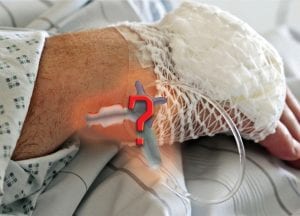

Illustration by Gabriel Hongsdusit, CalMatters
Dr. Shira Fischer, a physician who works in health policy in Boston, sought a speech pathologist for her child in 2022, when virtual appointments became the norm because of COVID-19.
“I read their consent, and they said they were going to record and use [our appointment] for training. And I said, no, my kid has a lisp. The last thing she wants is videos of her lisping to be used for training for who knows how long and who knows what database.”
Fischer said the clinic wouldn’t change the consent and wouldn’t proceed with the appointment if she didn’t sign it. Eventually, she found a different speech pathologist. “It ended up being better. But what is that, that they require you to allow them to record for their training?”
Every day, doctor’s offices across the country tell patients that if they want to see the doctor, they must allow their health data to be accessible by tens of thousands of hospitals and clinics. Often, doctors give out overly broad consent forms, asking patients to agree to anything from hospitals using patient files for training doctors to using patient data for training AI.
Practically speaking,…